How RFDS dental teams keep the Outback smiling, ahead of Dental Health Week (3–10 August)
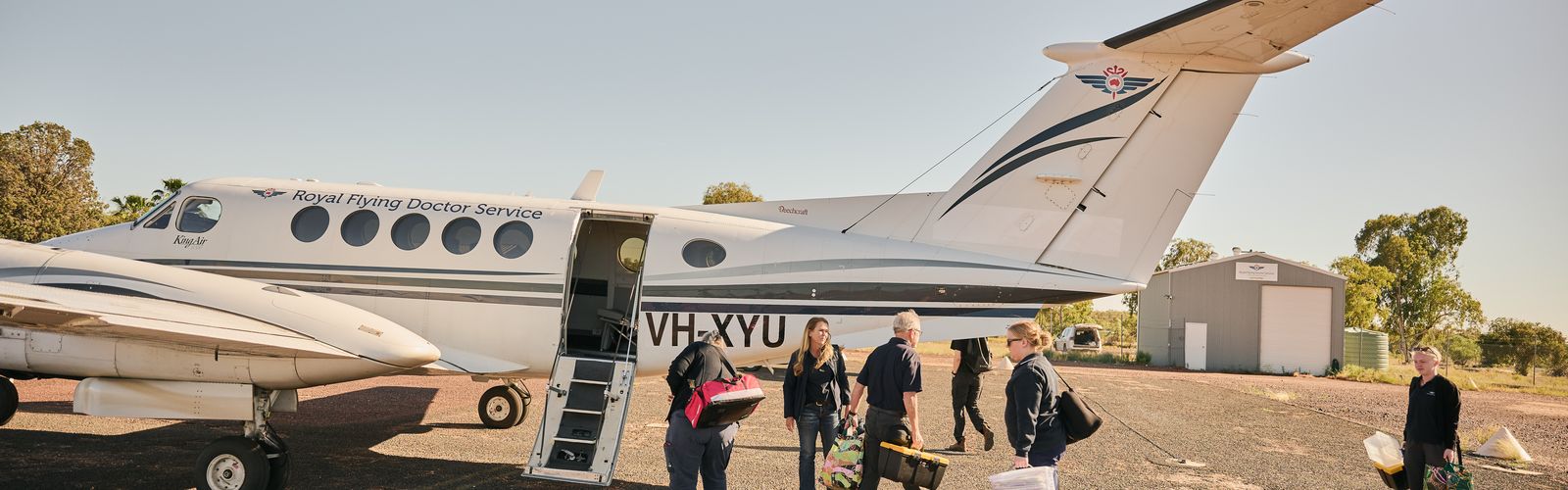
No two days look the same when your clinic is a plane trip from the nearest town – and that's exactly what RFDS dental teams are trained and equipped for.
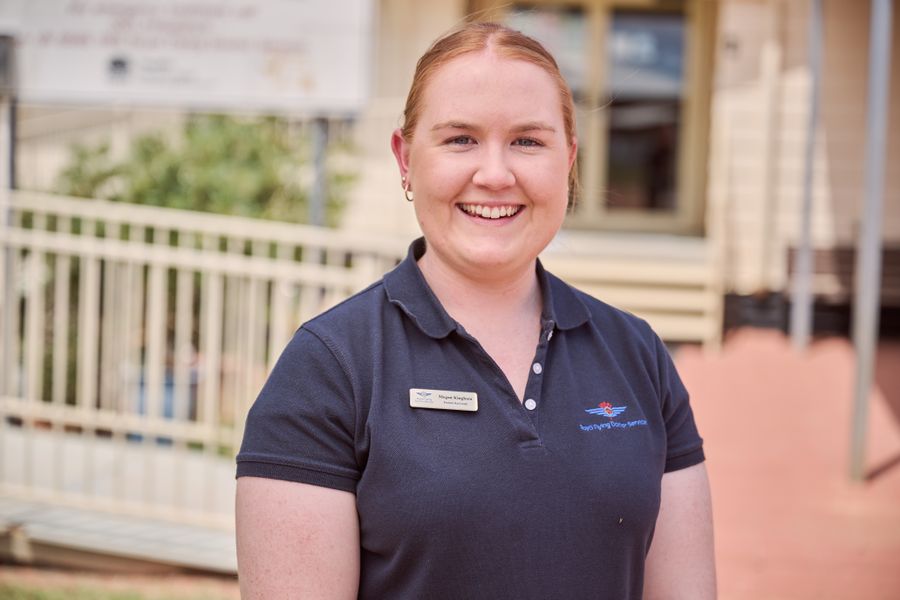
"Working in rural and remote communities often requires adaptability, resourcefulness, and the ability to make sound clinical decisions with limited resources," says Lead Dental Assistant Megan Kingham, who's been with the Royal Flying Doctor Service since 2024. "I have learned to think on my feet and improvise."
It's this kind of on-the-ground capability that sets RFDS dental care apart from anything you'd find in a city practice. As part of RFDS's primary care program, a specialist dental van and fly-in fly-out (FIFO) clinics deliver routine and vital oral health services to communities where the nearest dentist might otherwise be a full day's drive away.
We spoke to three of the people who make it happen.
A wider scope of practice
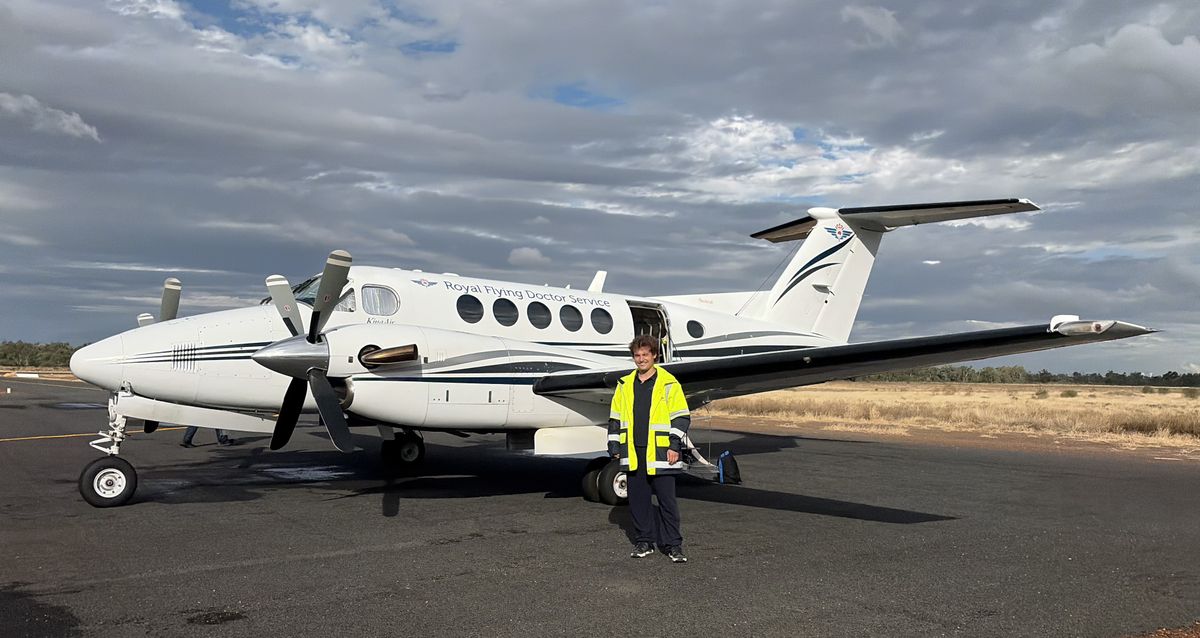
FIFO Dentist Sam Lawton, who flies into remote locations on a two-week on-off roster, says the tyranny of distance forces you to broaden your skill set fast.
"Specialists are often expensive and located far away. I've become much more confident in my skills, as oftentimes we need to perform specialist procedures ourselves" – procedures that would routinely be referred out in a metro practice, where a follow-up appointment is a phone call away rather than a plane trip.
For Sam, an Australian working holidaymaker, the role has become one of the highlights of his career. "This role has given me the chance to see more of the country while meeting and helping people in regional and remote communities. By far it's the most interesting experience of my dental career, and something I'll cherish for the rest of my life."
Prevention starts in the classroom
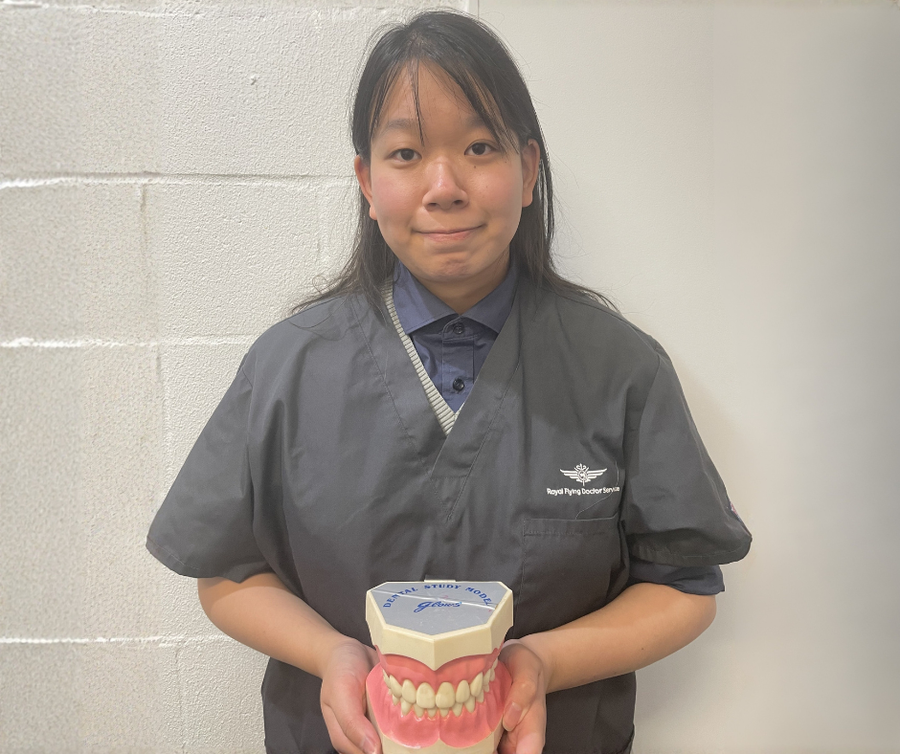
Regular check-ups are one of the biggest challenges facing rural communities – the further you live from a dentist, the harder it is to catch problems early. Dubbo-based Oral Health Therapist Xiaochuan Yang tackles this by taking oral health education directly into remote schools, separate from clinical check-ups.
"In larger schools, oral health education happens chairside. We talk with children, sometimes with their parents together, about brushing, diet, oral hygiene routines and what they understand about looking after their teeth," Xiaochuan says. Seeing up to 30 students in a single school day between 9am and 3pm is no small undertaking, and dental assistants rotate through school visits to share the load.
Sam agrees education is the long game. "From my experience, some older patients aren't aware of how often they should brush their teeth. That's why educating children about good oral hygiene from a young age is so important."
On the road for check-ups
Xiaochuan's school visits regularly reach Lightning Ridge, Collarenebri and Bourke, as well as smaller communities including Burren Junction, Pilliga and Enngonia, depending on service schedules and local need. Even harder-to-reach communities like Tilpa and Louth get a visit up to four times a year, and the team regularly provides dental services at the Macquarie prison.
A typical day starts early – at Base by 7am, in the air or on the road in the dental van by 7.30am – with the team seeing between six and eight patients before flying home around 5.30pm. In the most remote locations, an overnight motel stay is part of the job. Each visiting team is made up of two dental assistants, an oral health therapist and a dentist, sometimes joined by members of the primary health team.
The moments that make it worthwhile
Ask any of the three what sticks with them, and it's rarely the technical work – it's the roo runs before take-off, homemade ANZAC biscuits shared with patients, and the occasional motorbike parked outside the clinic door because that's how the patient rode in.
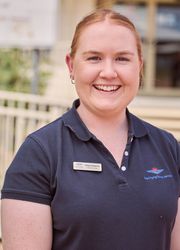
"Knowing that my work could have a lasting impact on the health and wellbeing of individuals and communities is what makes working for the RFDS so meaningful to me."
Megan KinghamFor Xiaochuan, it comes back to the gap the service closes. "The most meaningful part is being able to provide practical clinical care in communities where access is a real issue. It is rewarding to know that the work can reduce the burden on families who might otherwise have to travel a long way for dental treatment."