

On International Day of the Midwife, 5th May, we’re recognising the exceptional Flight Nurses working in RFDSSE, most of whom are dually qualified in emergency nursing and midwifery and maintain both skillsets in some of the most complex and remote environments in the country.
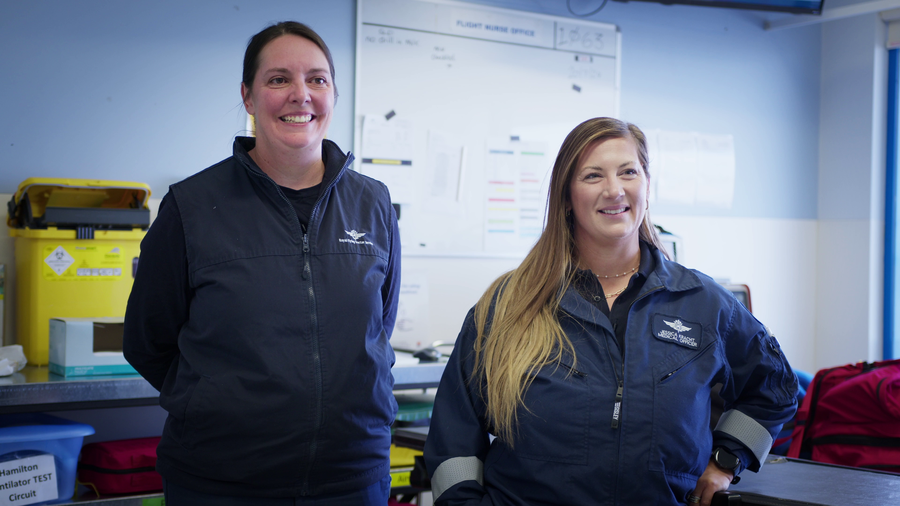
That dual qualification isn’t easy to earn or keep. As Flight Nurse Kathryn Hines says, it takes years of training, constant recency requirements, ongoing education, and a genuine commitment to practising both disciplines.
Kathryn Hines, a Flight Nurse and Midwife based in Broken Hill, has been part of numerous maternity-related missions during her five years with the RFDSSE. Some end quietly: reassurance given, a foetal heartbeat heard, a worried family able to breathe again. Others move fast.
Critical decisions, limited margins
Kathryn spoke of maternity care in remote settings as a balance between “stay and play” or “grab and go.” Knowing when to transfer, when to continue, and when to stop would actually create more risk and could be the difference between a safe outcome and a dangerous one.
Sometimes you’re the only person present with midwifery qualifications. Paramedics and rural/remote hospital staff are incredible, but many don’t work in obstetrics regularly. When things go wrong, you don’t have the luxury of time or resources.
Kathryn Hines, Flight NurseOne time, Kathryn recalled a woman who was being flown to Adelaide because she was just 34 weeks pregnant and there were no local facilities equipped to care for a baby born that early. She wasn’t in established labour when the flight departed, but things changed mid‑air.
“As we were landing, she started pushing,” Kathryn said. “No birth on the plane - we landed just in time - but within minutes of transferring to the ambulance, the baby was coming.”
The baby was delivered in Adelaide Base before they could get to the hospital. The baby cried immediately, was breathing well, and stayed with mum for skin-to-skin contact before specialist paediatric teams arrived.
It’s the kind of outcome that looks calm on the surface but only because of the clinical judgment, preparation and confidence behind it.