Our Reconciliation Journey
We acknowledge and pay respect to the traditional owners of the lands on which we work and recognise their continuing connection to land, waters and the community.

All In for Reconciliation: RFDS launches its Stretch RAP
On 29 July 2026, Reconciliation Australia endorsed the Royal Flying Doctor Service's 2026–2029 Stretch Reconciliation Action Plan (RAP), the organisation's fourth RAP and second at the Stretch level.
More details
The RFDS service area is diverse with a national service footprint of 7.69 million square km. This means we work across hundreds of different Aboriginal and Torres Strait Islander clan groups or ‘nations’, many with distinctive cultures, beliefs and languages.
We feel privileged to engage with such diverse and rich cultures and we hope to deepen our understandings and our relationships with First Nations people around the country as part of our ongoing reconciliation journey.
Watch this great video of our staff sharing their acknowledgement of country.

Our Reconciliation Action Plan
The Royal Flying Doctor Service’s 2026–2029 Stretch Reconciliation Action Plan sets out practical commitments to build respectful, trusted relationships with Aboriginal and Torres Strait Islander peoples and to embed reconciliation in our everyday work.
Our vision for reconciliation is a future defined by unity, equity and deep respect between Aboriginal and Torres Strait Islander peoples and all other Australians. We recognise the enduring strengths, knowledge and cultural practices of Aboriginal and Torres Strait Islander peoples, including their knowledge of health and wellbeing.
Through our RAP, we are committed to a culturally responsive workplace and service model, and to ensuring Aboriginal and Torres Strait Islander peoples and communities can access culturally responsive health services that contribute to longer, healthier lives. This work is shaped by listening, learning, asking appropriately and working in partnership with Aboriginal and Torres Strait Islander peoples and communities.
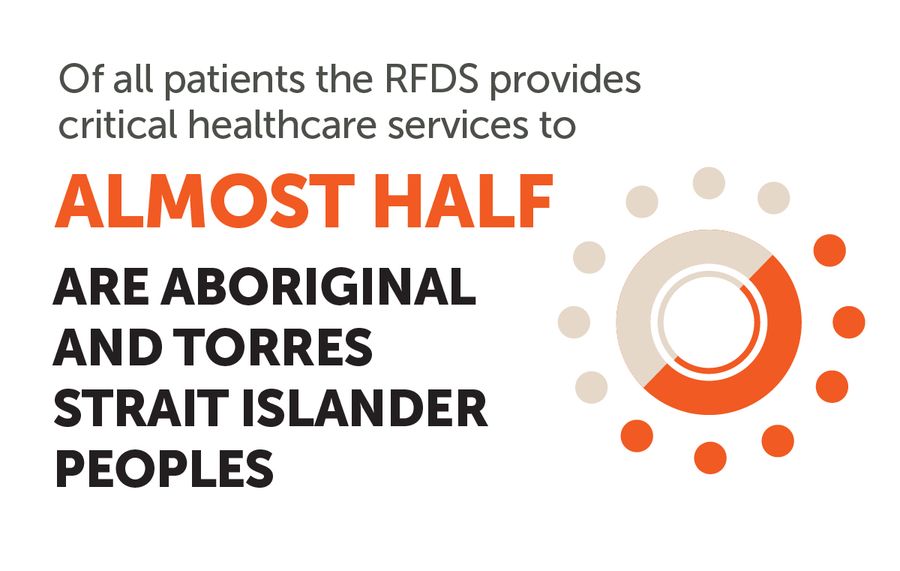
Significantly, almost half of all patients the RFDS provides critical health care services to are Aboriginal and Torres Strait Islander peoples.
It is particularly for this reason, and the fact that over 60% of Aboriginal and Torres Strait Islander peoples live in our primary service footprint of rural & remote Australia, that the RFDS takes seriously the importance of a RAP and our contribution to working towards genuine, meaningful reconciliation in order to achieve better outcomes for First Nations Peoples.
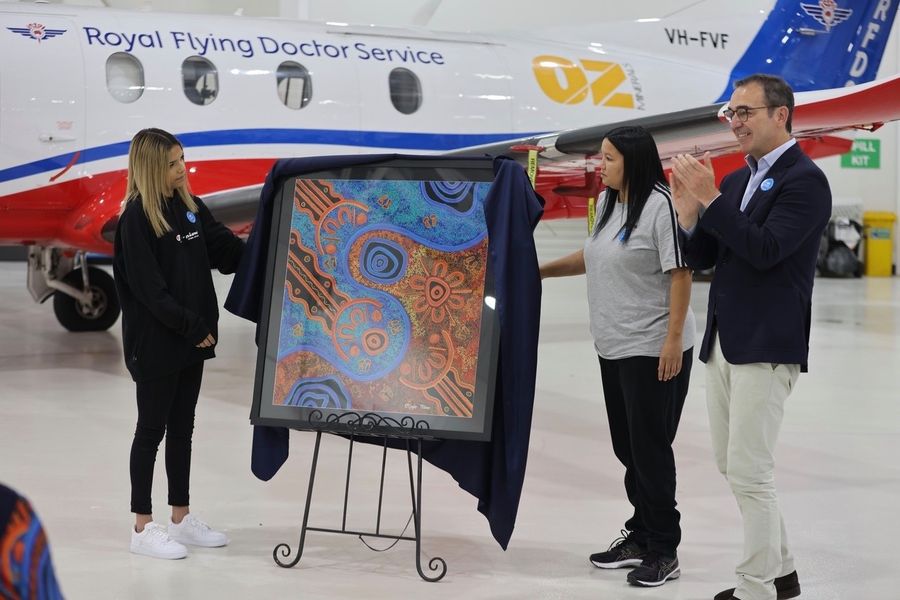
First Nations Art
The Royal Flying Doctor Service acknowledge that Aboriginal and Torres Strait Islander art is the first art of this nation, an ancient visual gift of culture and learning. It communicates history, story, and language. We feel privelaged to be able to engage with First Nations artists and enjoy and share the artwork they create. See some of the wonderful First Nations Art that the RFDS has commissioned around the country.
Committed to Closing the Gap
As a leading health service in Australia, we are committed to ensuring our services actively and purposefully contribute to Closing the Gap by improving both health outcomes and access to culturally appropriate health services for Aboriginal and Torres Strait Islander people.
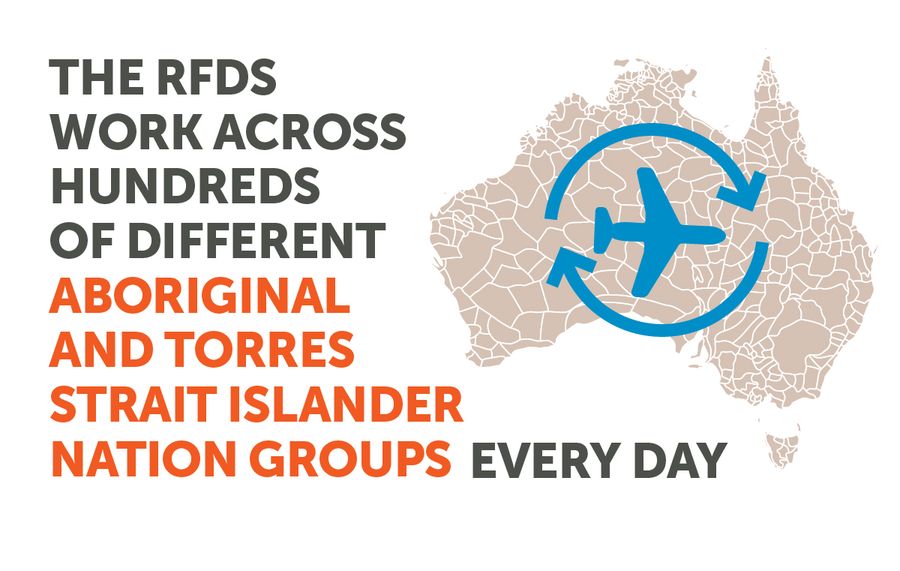
Working with Communities
Working with Aboriginal and Torres Strait Islander people and communities is a core part of our service delivery. We understand that our broad service footprint means there are different languages, cultural considerations, and ways of working in each of these areas. Through listening, learning, collaboration and partnership, the RFDS will build on many of the good relationships we already have in the communities we service.
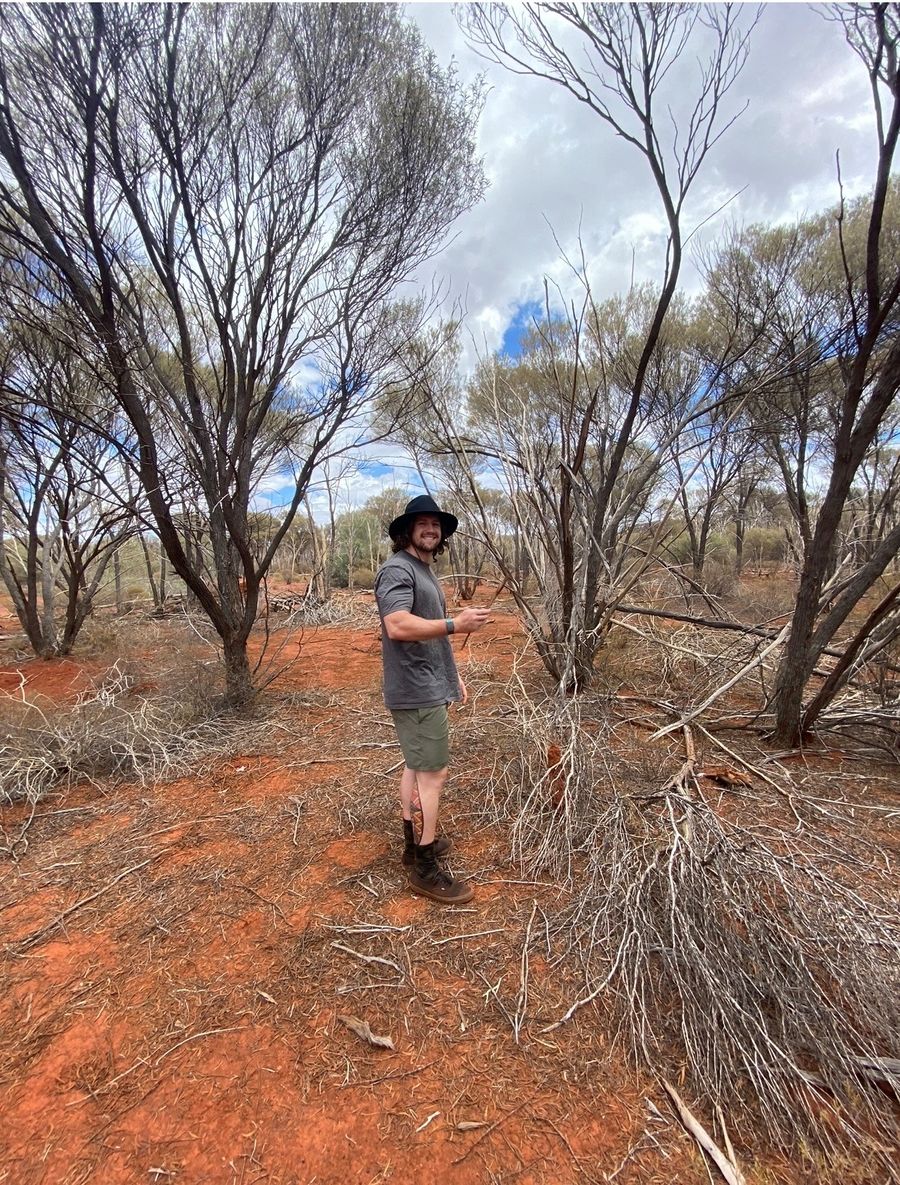
Supporting First Nations Students through Scholarships
The RFDS has supported over 30 Aboriginal & Torres Strait Islander health students with scholarships to undertake clinical placements in remote and rural Australia. This has been an ongoing commitment under the RFDS RAP in partnership with AIDA, IAHA and CATSINAM and an effort to contribute to the growth of an appropriate and skilled rural health workforce.