On International Women’s Day, the Royal Flying Doctor Service (South Eastern Section) is celebrating the impact of its expanding primary health services across Far Western and Western NSW, ensuring women in remote communities have reliable, local access to the care they need, often through the RFDS as their sole healthcare provider.
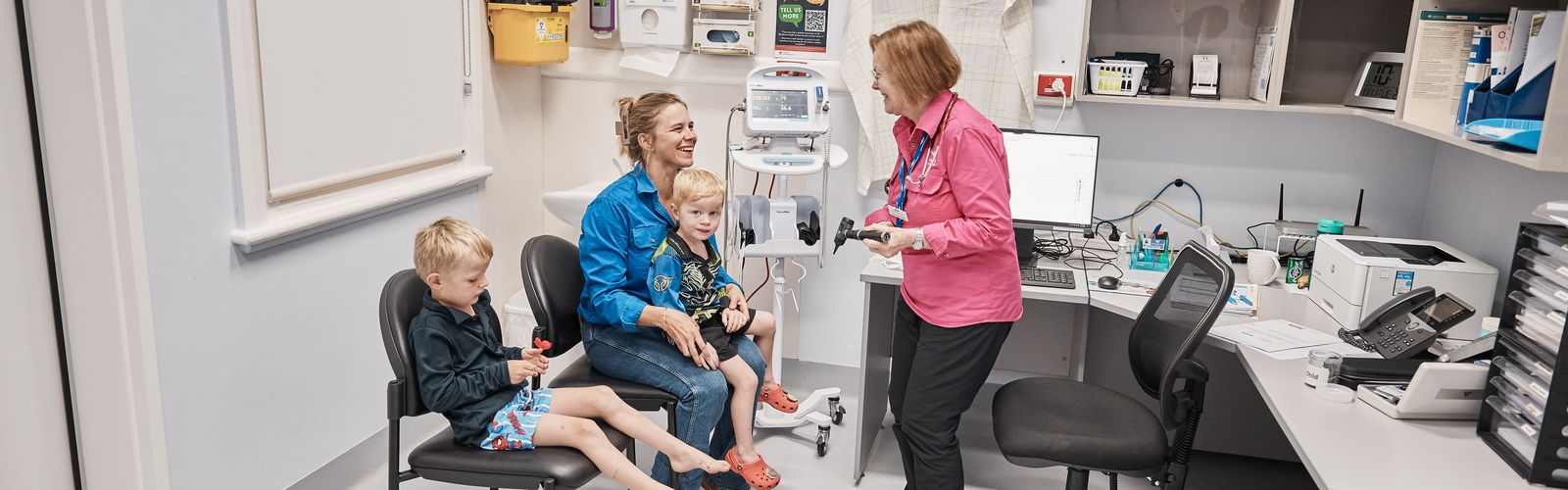
With 50% of all RFDS patients being women, the Flying Doctor plays a central role in delivering essential services in towns where there is no resident GP, midwife, psychologist or women’s health clinic. Through flying clinics, road clinics, telehealth and outreach teams, RFDS ensures women can receive care close to home, delivered by clinicians they trust.
Dr Nici Williams, Clinical Director of Primary Care, said the RFDS is proud to be the primary provider of healthcare for many remote women, offering continuity, choice and high quality care that mirrors the standards available in major centres.
“In many communities, the Flying Doctor isn’t just supporting the healthcare system – we are the healthcare system,” Dr Williams said. “We provide the cervical screens, the contraception support, the antenatal checks, the mental health appointments and the chronic disease care that women simply cannot access elsewhere. This is what equitable care looks like in action.”
"In many communities, the Flying Doctor isn’t just supporting the healthcare system – we are the healthcare system."
Dr Nici Williams - RFDSSE Clinical Director of Primary Care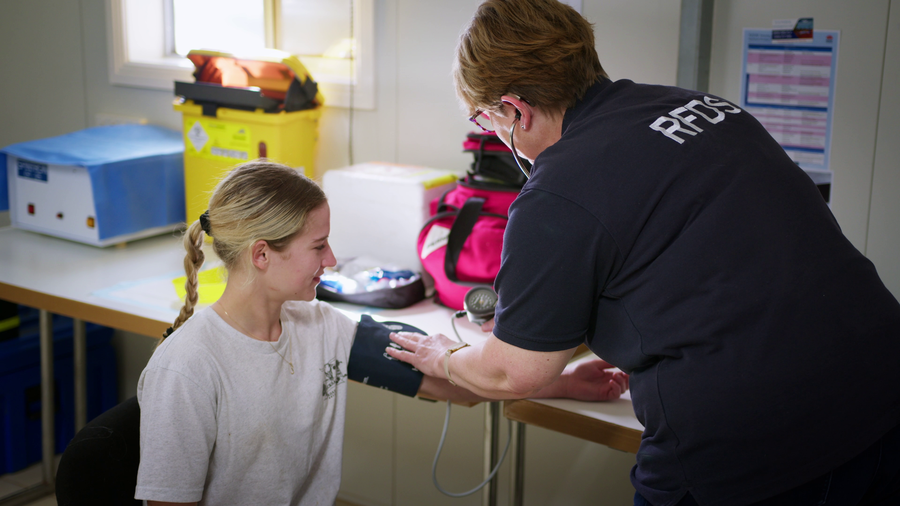
A service built around equitable care – including choice
International Women’s Day highlights the importance of equity, respect and access.
For many women, equitable healthcare includes the ability to choose the gender of the clinician they speak to about reproductive health, contraception, pregnancy or mental health.
To support this, the RFDS has a diverse clinical workforce, including 19 female GPs and Rural Generalists regularly delivering primary care across the Clive Bishop Medical Centre in Broken Hill, our outreach clinics across the Far West and in our permanent clinics in Warren, Gilgandra and Condobolin.
“Choice matters. Women tell us they feel safer and more comfortable when they can speak with a female doctor – and in remote NSW, that choice hasn’t always been available,” Dr Williams said.
“We’re proud that our team can offer that choice, and that we’re delivering care in a way that feels respectful, culturally safe and patient centred.”
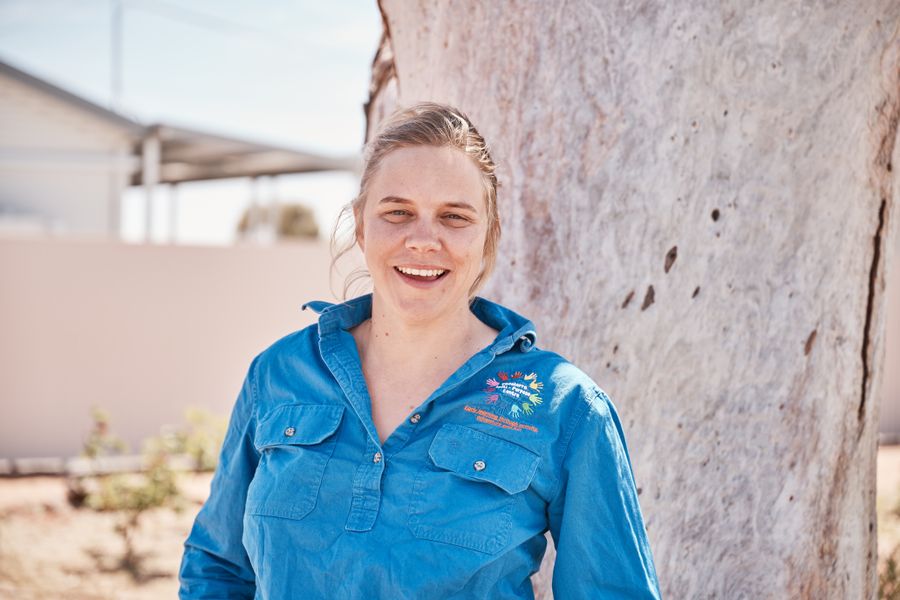
Real patient Rachel Cozier has used many RFDS services
For Tibooburra local Rachel Crozier, access to consistent, high-quality healthcare is essential to living well in one of the remote corners of NSW.
As a mother and active community member, she relies on regular RFDS clinics to stay well and to access the women’s health and mental health support that helps her manage some of the challenges of living remotely.
“Through the RFDS, I’ve accessed mental health support, the primary healthcare clinic, prenatal support and postnatal support,” she says. “It’s a lot harder out here, you can’t just run out to the chemist to grab a prescription” she explains, “travelling an 800km round trip to the nearest town is especially hard for people with kids.”
RFDS-led clinics in towns like Tibooburra ensure women like Rachel can access prescriptions, screenings and routine appointments locally.
“We get more of a one‑on‑one connection with the GPs and mental health specialists. We don’t have to travel to different locations to see different providers,” she says.
Having access to women’s health, antenatal and postnatal support has given Rachel the confidence that support is always within reach. She says the continuity and connection RFDS clinicians provide is especially valuable for women managing pregnancy, parenting and mental health in remote communities.
“It gives you that back up to feel like you can still keep going, because if you need them they’re there,” Rachel explained. “It’s good to have the service and to know you’re not alone.”
RFDS teams deliver consistent, high quality women’s healthcare – often as the only provider available – including:
- Cervical screening and breast checks
- Contraception, including Implanon insertion/removal
- Antenatal and postnatal care, newborn checks and breastfeeding support
- Mental health care, including perinatal support
- Chronic disease management for diabetes, heart and kidney conditions
- Referrals and coordination for obstetrics, gynaecology, imaging and pathology
“RFDS continues to ensure that women in remote communities receive the same standard of primary, reproductive and mental healthcare available in our cities – delivered locally, reliably and with respect,” Dr Williams finished.