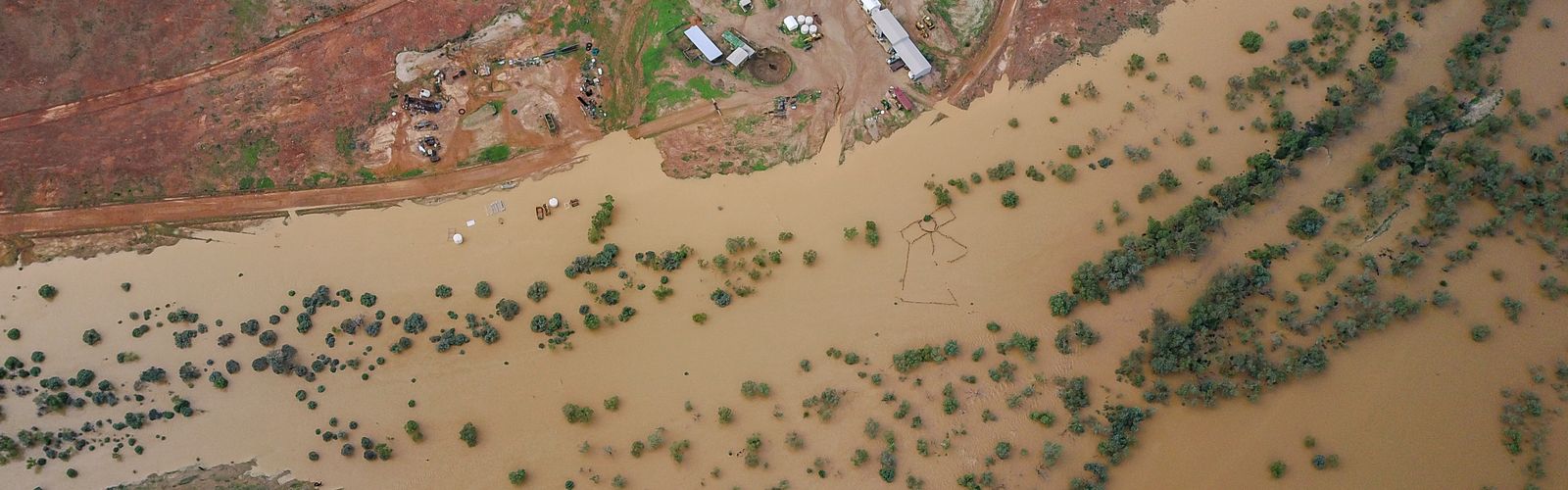
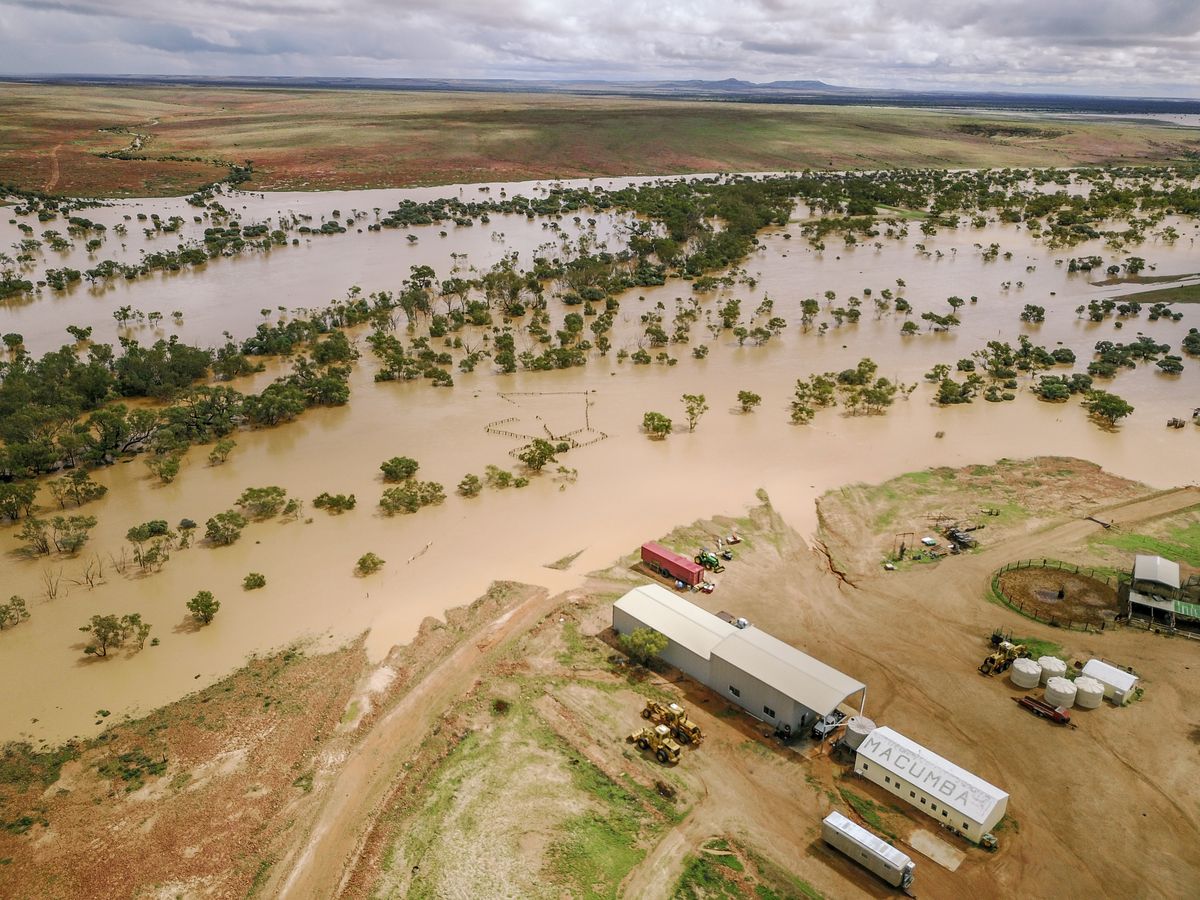
As record rain swept across cast areas of Australia earlier this year, the RFDS joined emergency service partners, combatting flooded towns, closed roads and airstrips to deliver critical health care and supplies.
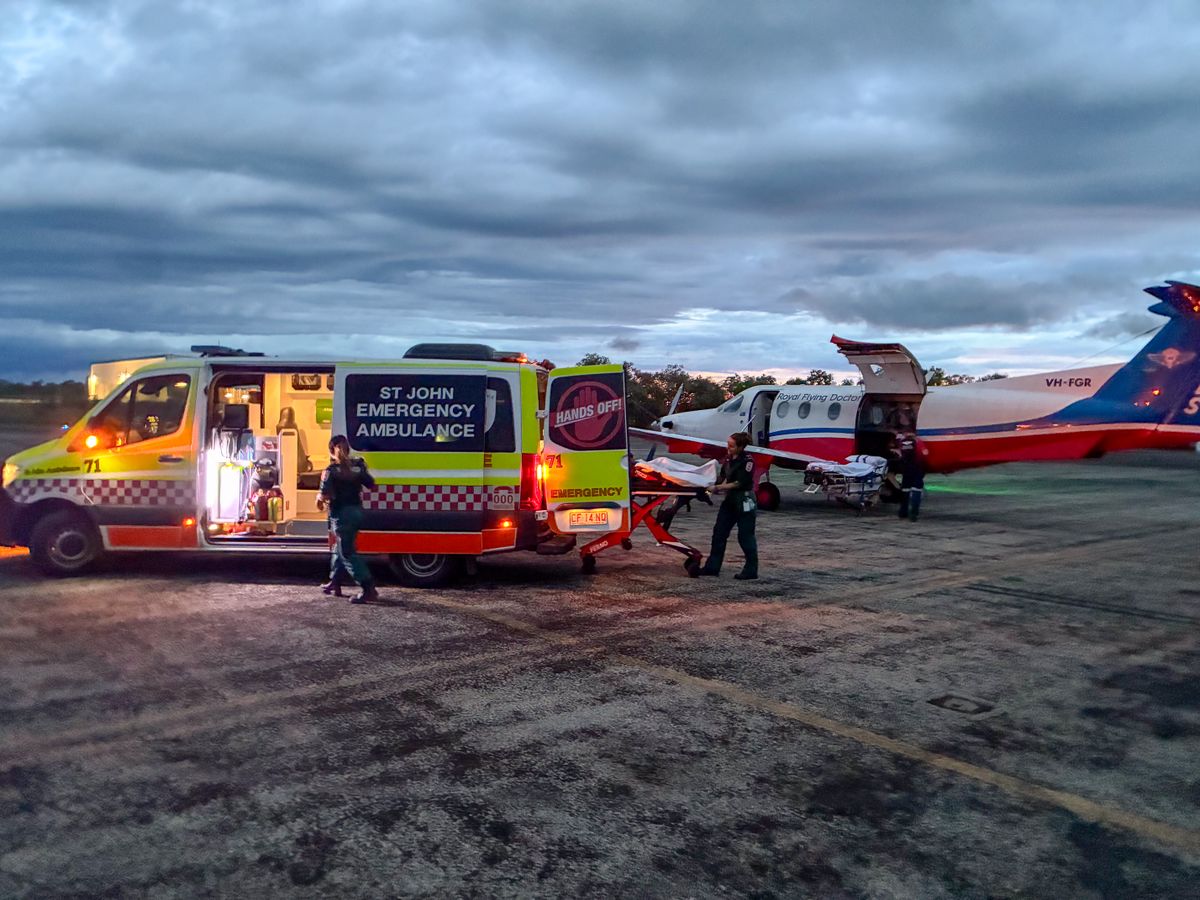
In March, as Katherine braced for ex-Tropical Cyclone Narelle, RFDS crews moved quickly, airlifting more than a dozen patients from the local hospital to Darwin in under 24 hours to ensure they continued to receive vital care from the immediate cyclone zone.
Just two weeks earlier, the Katherine River had already peaked at 19 metres, prompting further emergency evacuations with support from the RFDS.
For RFDS Clinical Manager Retrieval Services NT Mauz Burns, operations like these are as complex as they are critical.
“Evacuations like these take careful planning. Our crews are navigating unpredictable weather in the air, while closely coordinating with teams on the ground,” Mauz said.
“Our crews and coordinators quickly mobilised, responding to the surge in demand to ensure patients could be safely relocated and cared for in Darwin.
“At one point, we supported more than a dozen patients in just 20 hours – a tight window before the cyclone came through.
“It’s a real team effort – from our pilots and clinical crews through to our operations team and emergency service partners.”
For many Territorians, particularly in remote communities, the RFDS remains a trusted lifeline.
“Our teams are trained to respond in these conditions, but it takes coordination, experience and strong partnerships,” Mauz said.
“Our priority is making sure people can access care when they need it, no matter where they are.
“Territorians are tough and resilient. But when help is needed, the Flying Doctor is ready to respond.”
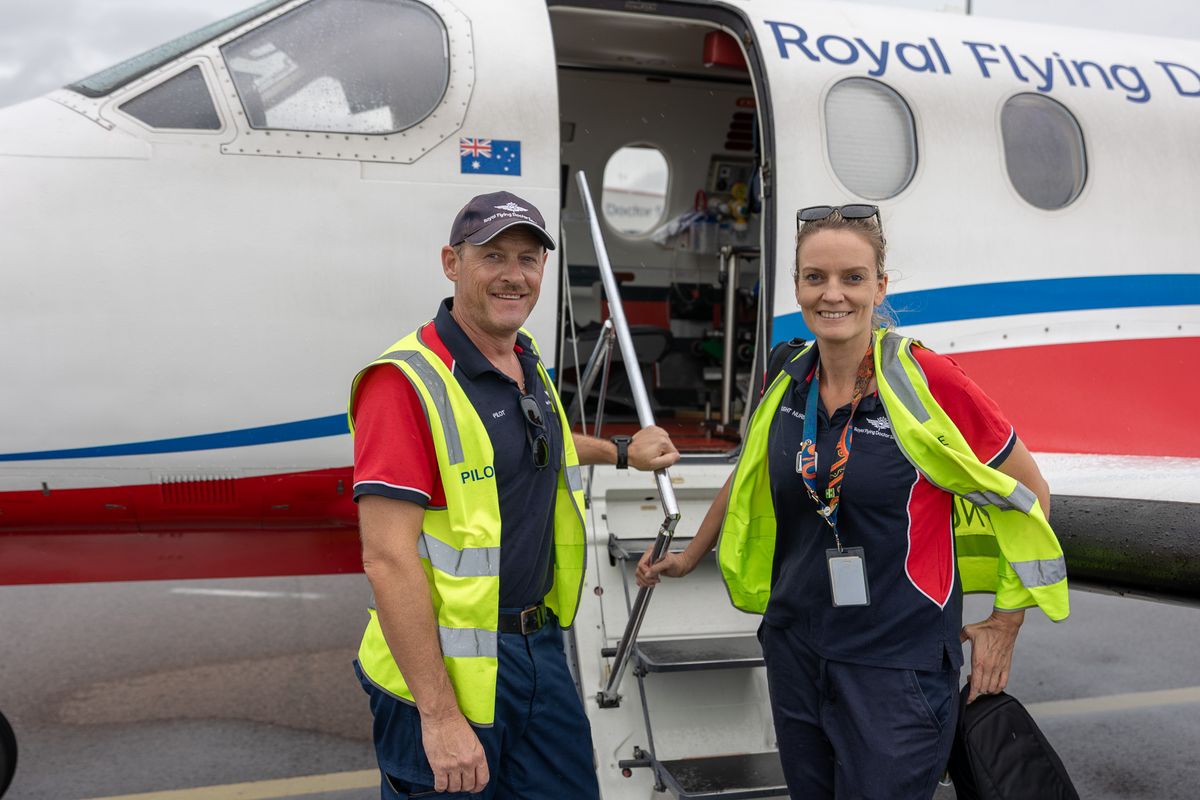
Further south, as the Tropical Low soaked the outback, the RFDS continued to deliver fly-in primary health clinics to cut-off communities.
RFDS Primary Health Care Manager Mandy Smallacombe said flexibility is central to the response during extreme weather events.
“Adapting to conditions and working closely with our communities on the ground is critical when airstrips and roads go under water,” Mandy said.
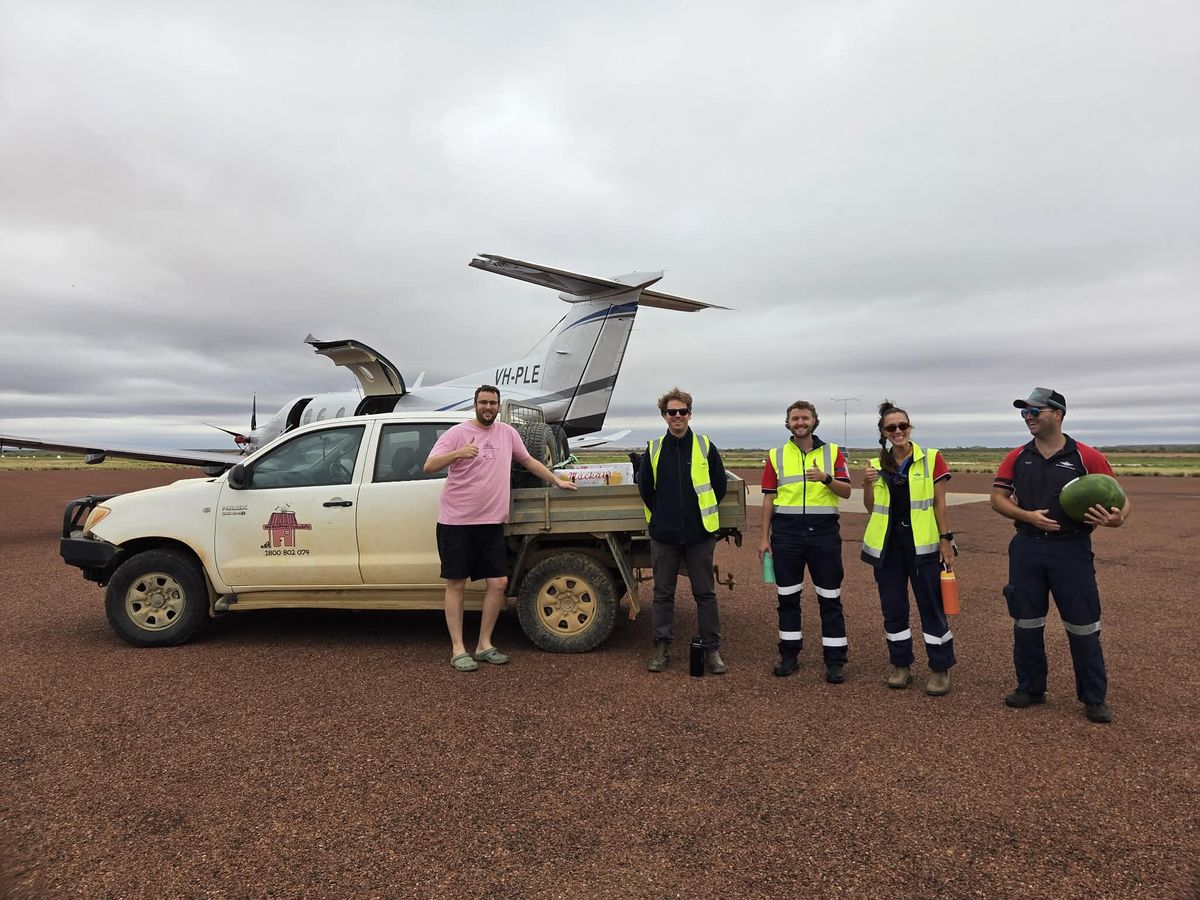
“Despite these challenges, we continued to deliver fly-in clinics where it was safe and possible to do so, as well as food and supply drops to help replenish isolated towns such as Marree and Oodnadatta.
“We always have backup plans so patients can still speak with our doctors and nurses and allied health professionals even when airstrips and roads are cut.
“On the rare occasion that physical access is not possible, telehealth, combined with close coordination across teams, helps ensure continuity of care for our patients.”
Whether it be face-to-face or via digital means, every 10 minutes someone in SA and the NT is supported by the Flying Doctor.
Learn more about the Flying Doctor.