When people think of the Royal Flying Doctor Service (RFDS), they often picture pilots, doctors and flight nurses travelling vast distances to deliver healthcare to people living in rural and remote Australia. But long before an aircraft takes to the skies, another team is already at work.
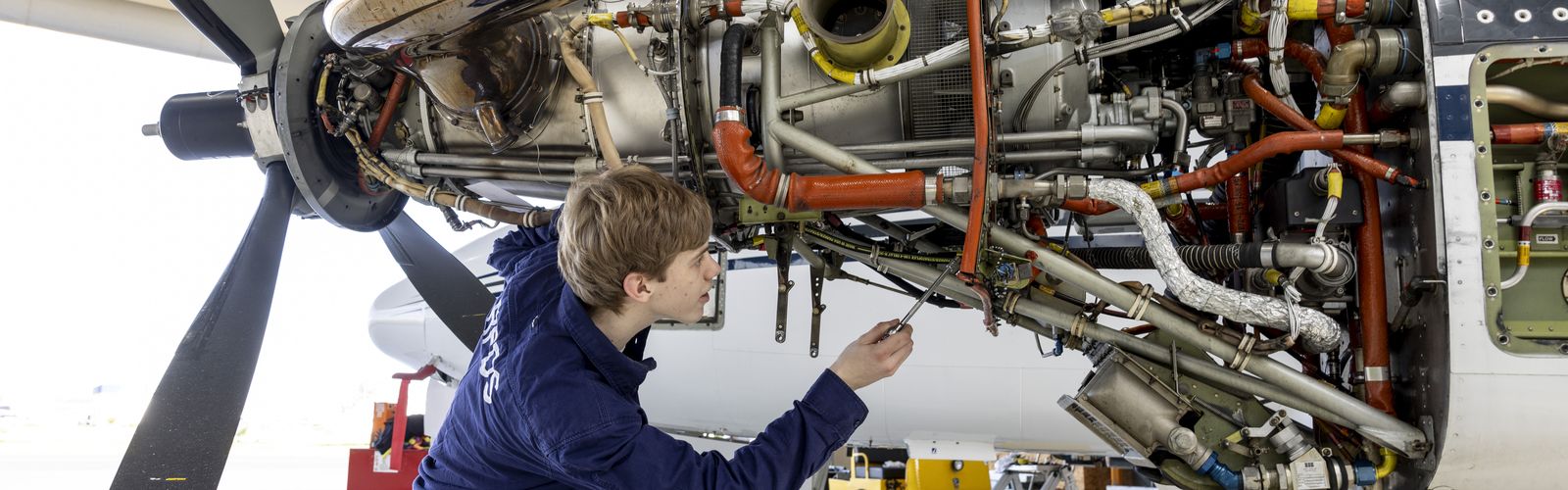
From Broken Hill and Dubbo to Launceston, RFDS aviation engineers help ensure aircraft remain safe, reliable and ready to respond whenever they are needed. Their work may happen behind hangar doors, but it plays an essential role in connecting remote communities with healthcare and helping patients access care closer to home.
For Broken Hill-based Apprentice Aircraft Maintenance Engineer (AAME) Ben Morrison, the role combines technical skill with the unique challenges that come with working in regional Australia.
"Weather and freight delays inevitably impact maintenance schedules," Ben says. "It reinforces the importance of keeping aircraft serviceable before small issues become larger ones."
Like most work in the bush, maintaining aircraft requires careful planning and adaptability. Engineers balance ongoing training, strict safety requirements and operational demands while helping ensure aircraft remain available to support patients and crews across some of Australia's most remote locations.
"Every day is challenging but very rewarding," Ben says.
Building careers close to home
Beyond maintaining aircraft, RFDS engineering teams are helping create highly skilled career opportunities in regional Australia.
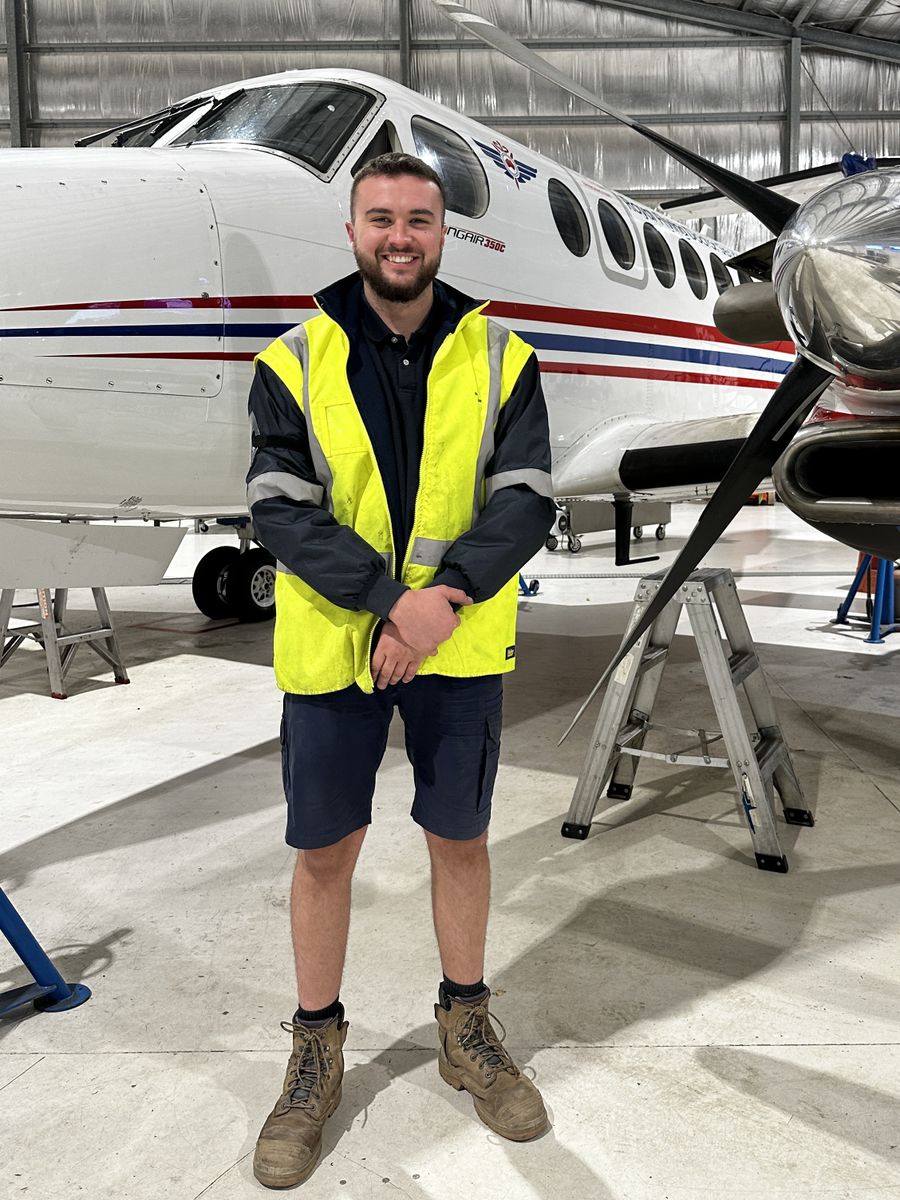
For Dubbo-based Apprentice Aircraft Maintenance Engineer Harry Gresham, an RFDS apprenticeship provided a pathway into aviation engineering without having to leave regional NSW.
Originally receiving an offer to study that required him to move, Harry soon learned that engineering apprenticeships through the RFDS were a possible alternative foot in the door to aviation engineering and eagerly applied. Starting in early 2023 at the Dubbo base as an AAME, he says "the rest is history," unable to imagine working anywhere else.
Both Harry and Ben complete their TAFE qualifications while gaining hands-on experience maintaining operational aircraft.
"It's a really good pathway for someone wanting to get started in aviation engineering," Harry says.
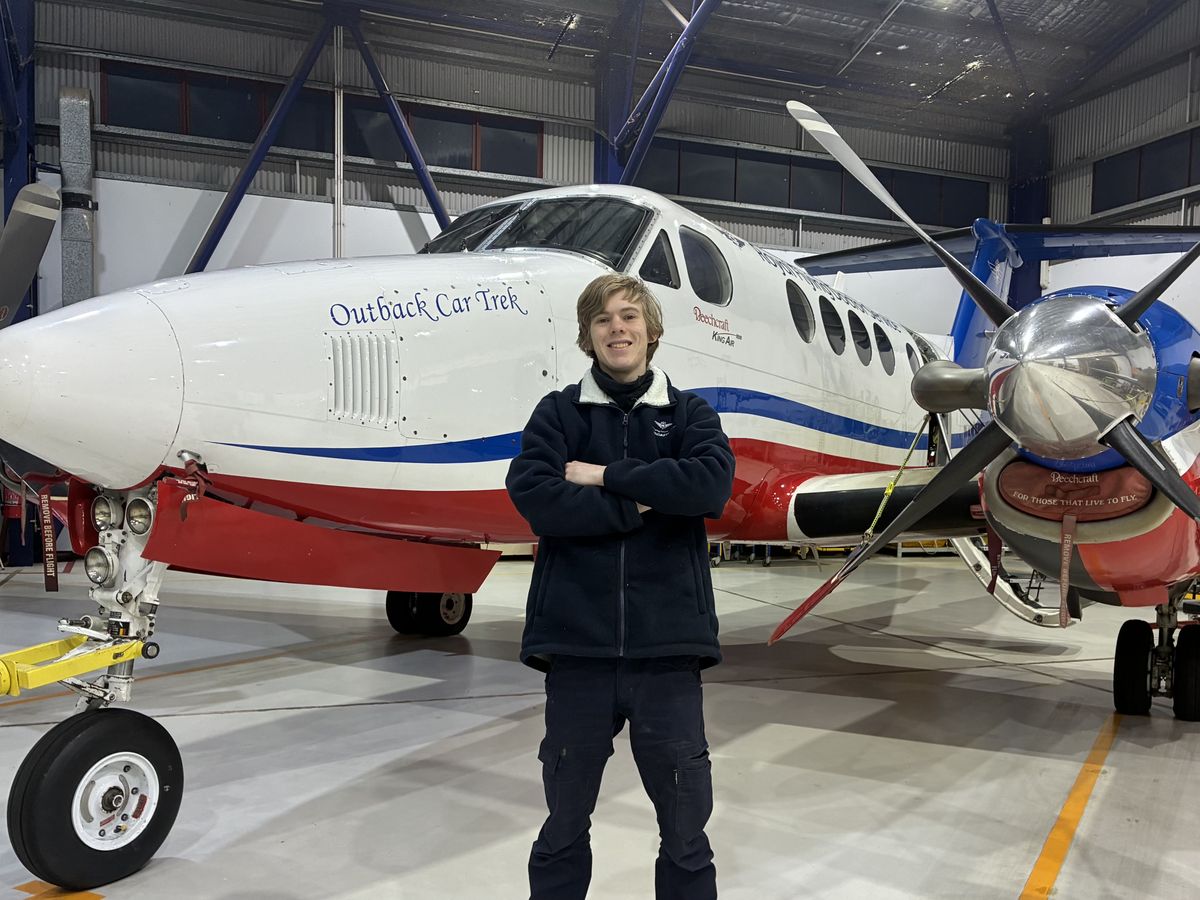
Both Harry and Ben complete their TAFE qualifications while gaining hands-on experience maintaining operational aircraft.
"It's a really good pathway for someone wanting to get started in aviation engineering," Harry says.
The apprenticeship model allows trainees to learn from experienced engineers while working on aircraft that support communities across regional Australia. It also helps keep valuable skills, jobs and training opportunities in regional towns, creating career pathways that might otherwise be concentrated in major cities.
“I have not actually worked in a large city, and to be honest I hope I never have to,” Harry says.
For the RFDS, investing in apprenticeships is about more than developing future engineers. It is about building capability in regional Australia and ensuring specialist skills remain close to the communities that need them.
In places like Broken Hill and Dubbo, apprentices can build long-term careers while contributing to a service that makes a tangible difference in people's lives.
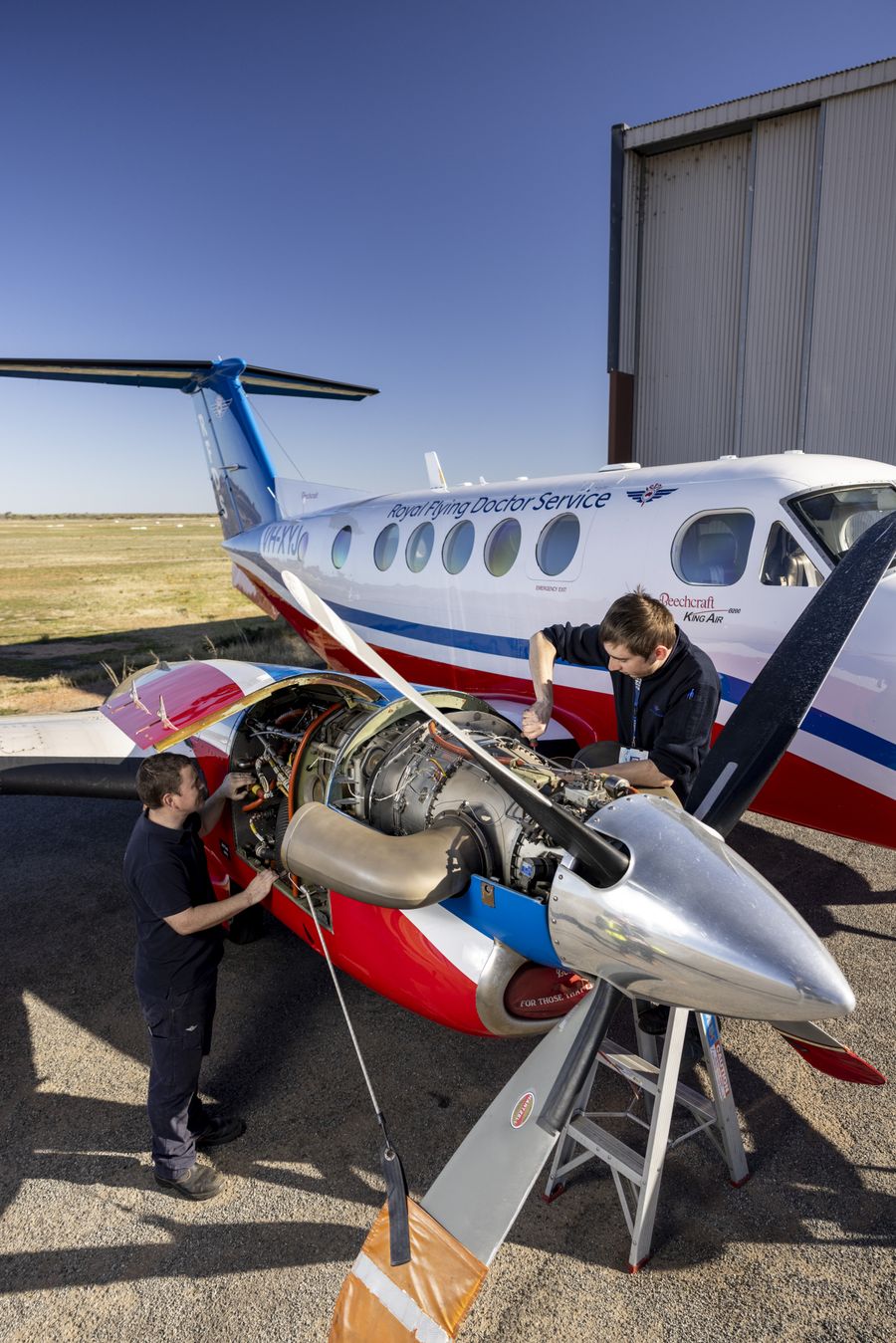
The work behind every flight
While most passengers only see an aircraft when it is preparing for take-off or landing, engineers know that every flight is supported by countless hours of maintenance carried out behind the scenes.
RFDS aircraft undergo regular maintenance and inspections throughout the year, including comprehensive 200-hour inspections that involve detailed checks of aircraft systems and structures. This happens roughly every four months.
The aim is simple: identify wear early, maintain reliability and ensure aircraft are ready whenever they are called upon.
Harry often uses a comparison most people can relate to when explaining the work.
“It’s the equivalent of your car’s oil change between major services.”
There is, however, much more to the work than that, as planes cannot pull over mid-flight for checks.
Every 400 flight hours a detailed examination is conducted on all aircraft. Dismantled to a bare shell, inspections are then carried out to identify cracks, corrosion and general wear and tear. The repairs are completed in-house, with the aircraft being tested before returning to service.
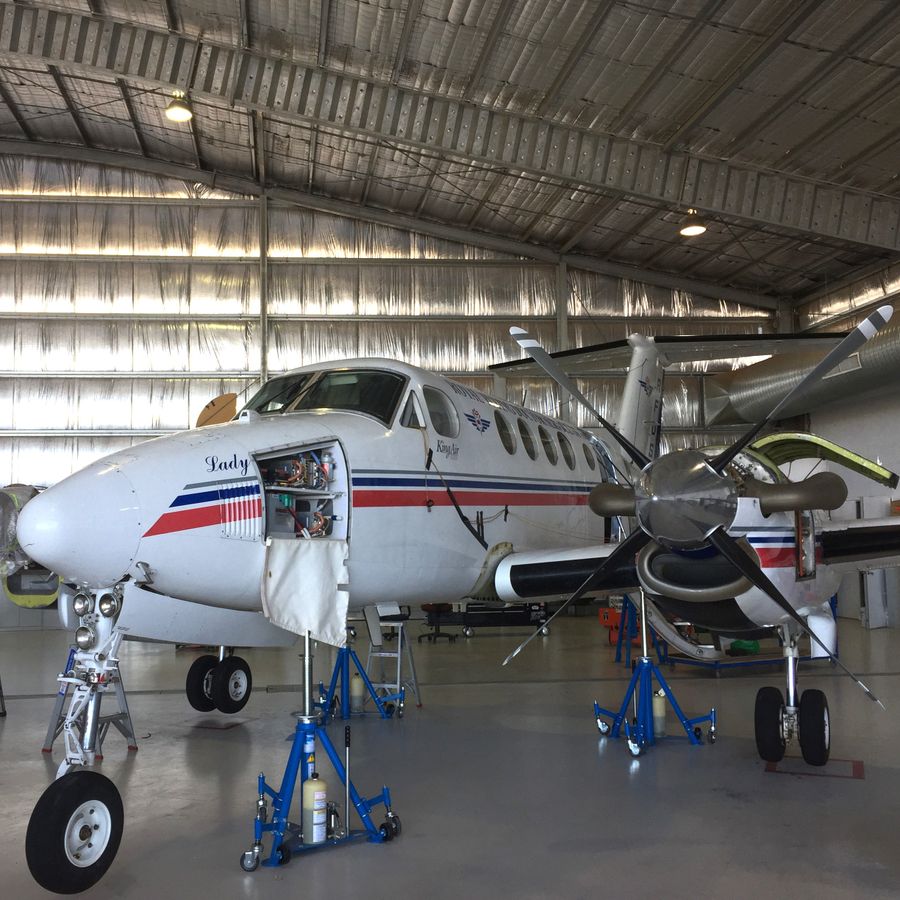
While some maintenance tasks may appear routine, they are critical to ensuring aircraft remain available for patients, crews and communities across thousands of kilometres of regional and remote Australia.
"It keeps them reliable, safe and available for patients and our teams who depend on them," Ben says.
The work itself is incredibly varied. Depending on the day, engineers may be carrying out scheduled inspections, replacing worn tyres, undertaking avionics updates, changing aircraft components or supporting major maintenance activities.
At Dubbo, engineers work from a line maintenance base, helping keep aircraft operational between scheduled servicing events. In Broken Hill, the RFDS's primary maintenance base supports a broad range of maintenance activities across the fleet.
No two days are exactly the same, which is one of the things many engineers enjoy most about the role.
Different locations, shared purpose
More than 1,000 kilometres south of Broken Hill, Base Engineer Greg Foot works from the RFDS base in Launceston.
While the work shares many similarities with his colleagues on the mainland, Tasmania's climate brings its own considerations.
His advice for working further south is simple.
"Warm woollen clothing," Greg jokes.
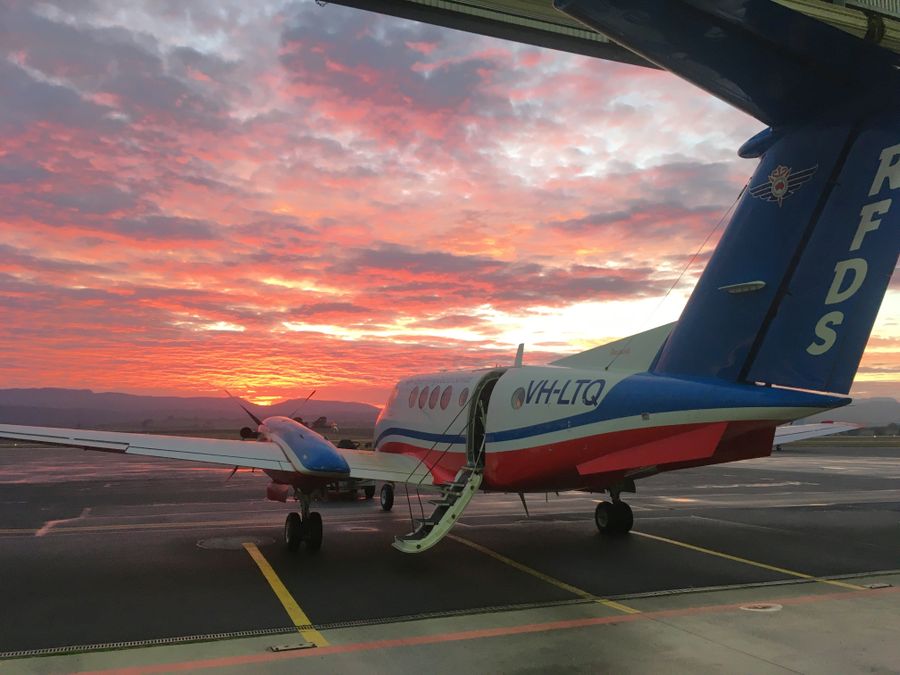
Winter conditions mean aircraft are stored securely in hangars where possible, while daily inspections, aircraft cleaning, avionics updates and scheduled maintenance continue regardless of the season.
Careful planning is also essential to ensure parts and supplies are available when needed, particularly when supporting aircraft operations across regional locations.
Despite the distance between bases, a common thread connects engineers across the RFDS network: pride in supporting a service that communities depend on.
More than machines
For all the technical expertise involved in aviation engineering, it is often the human impact of the role that leaves the deepest impression.
For Greg, one memory stands above the rest.
Seeing his twin grandsons arrive safely aboard an RFDS aircraft in a humidicrib following a neonatal transfer is something he will never forget.
It reinforced what every RFDS engineer knows: the aircraft they maintain are far more than machines.
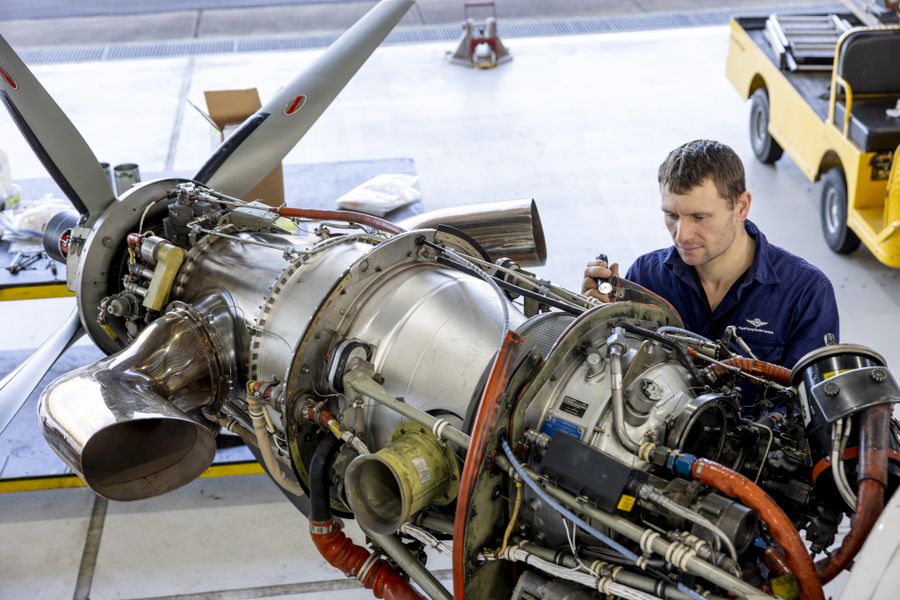
Every inspection, service and maintenance task contributes to helping people access healthcare, often during some of the most challenging moments of their lives.
"Our work directly supports people in remote and rural communities and helps maintain the delivery of critical care for people on their hardest days," says Ben.
That sense of purpose is shared across the engineering team.
Whether they are completing inspections in Broken Hill, supporting operations in Dubbo or preparing aircraft for another cold Tasmanian morning, engineers are helping make sure healthcare can reach people wherever they live.
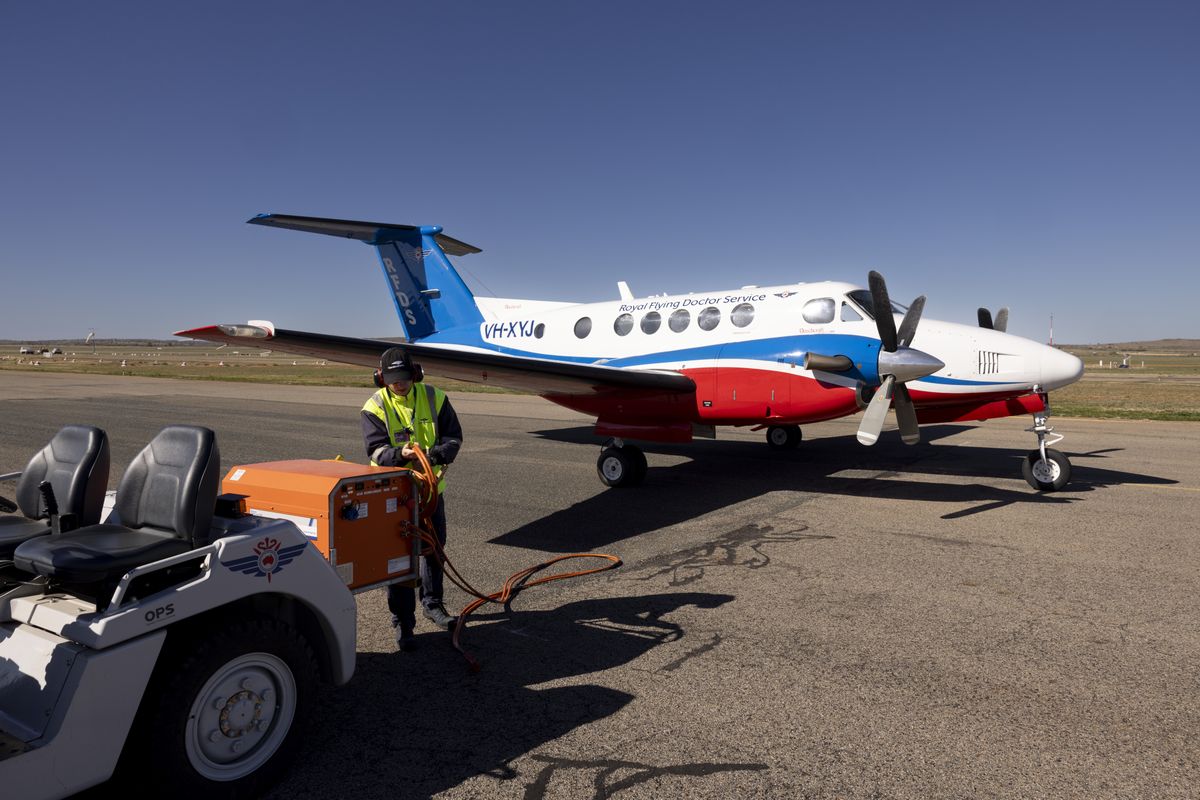
For anyone considering a future in aviation engineering, Ben has simple advice.
"The work is incredibly fulfilling, you're supported every step of the way, the learning is endless, and the aircraft are spectacular."
As Australia celebrates Engineering Week, the RFDS engineering team is a reminder that some of the country's most important engineering work happens far from the major cities. By maintaining aircraft, developing future engineers and creating skilled careers in regional communities, they help ensure the Flying Doctor can continue delivering care where it is needed most.